

I took up the challenge to create a course together with the trade school YrkesAkademin to create a new course module for their students studying business development in the tourism sector. It’s only when you apply digital strategy in a specific industry context that you face the real challenges of managing market, customer, business model and value chains for real. Here are my major learnings.
Challenges in tourism
Today’s hotel operators face challenges from economic volatility and growing environmental concerns. Sustainability pressures also demand adaptations in everything from energy usage to waste management.
At the property level, small and medium-sized hotels struggle with staffing shortages and the increasing complexity of daily operations. Owners find themselves caught in a juggling act — managing property maintenance, guest satisfaction, staff training, and financial planning, while simultaneously trying to navigate the digital disruption that has occurred in marketing and sales of their offerings. Traditional marketing channels and tourism organisations have lost influence to digital platforms, yet most properties lack the time, expertise, and resources to effectively manage their digital presence and distribution strategy.
Online Travel Agencies
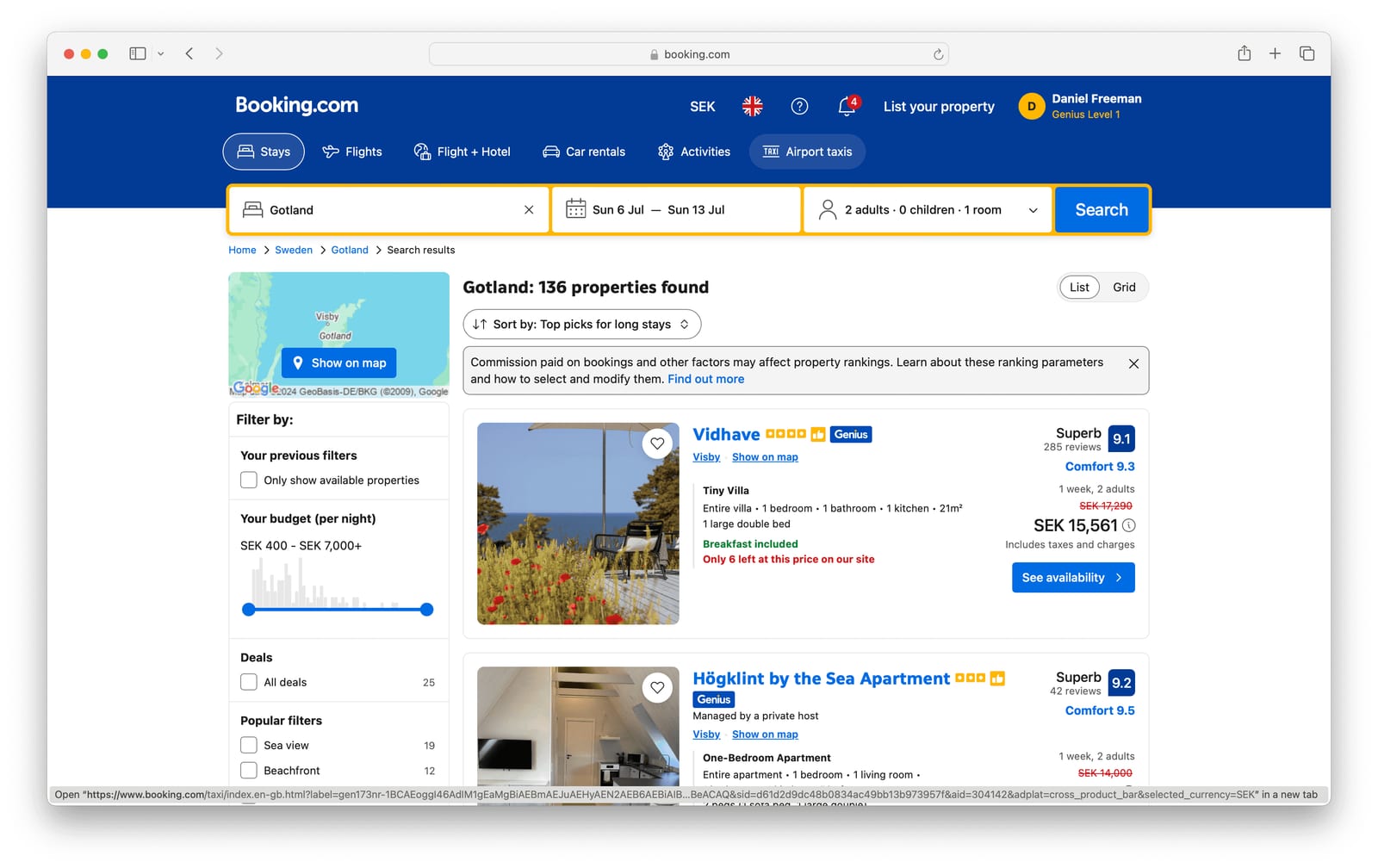
The OTA dilemma: balancing visibility and independence in hotel distribution. Online Travel Agencies (OTAs) have revolutionised the hospitality industry by providing unparalleled visibility and convenient booking solutions for hotels worldwide. While platforms like Booking.com, Airbnb, and TripAdvisor excel at connecting properties with potential guests, their high commission rates (20–30%) and control over customer relationships pose significant challenges for small and medium-sized hotels.
The core issue lies in the increasing dependency on OTAs, where hotels risk becoming commoditised as mere “room providers” while losing direct customer relationships and valuable data. This dynamic mirrors the Amazon marketplace effect, where businesses trade independence for visibility.
Here are some of the strategies we created during a recent delivery of the course.
Direct booking optimisation
- Enhance hotel websites to capture OTA-originated research traffic
- Offer exclusive benefits for direct bookings (flexible cancellation, upgrades, parking)
- Implement a robust CRM system to maintain guest relationships
Value differentiation
- Create unique experiences beyond basic accommodation
- Develop local partnerships for exclusive guest packages
- Focus on personalised service and authentic local experiences
Channel management
- Optimise OTA listings with professional photos and compelling descriptions
- Maintain rate parity while differentiating through value-added services
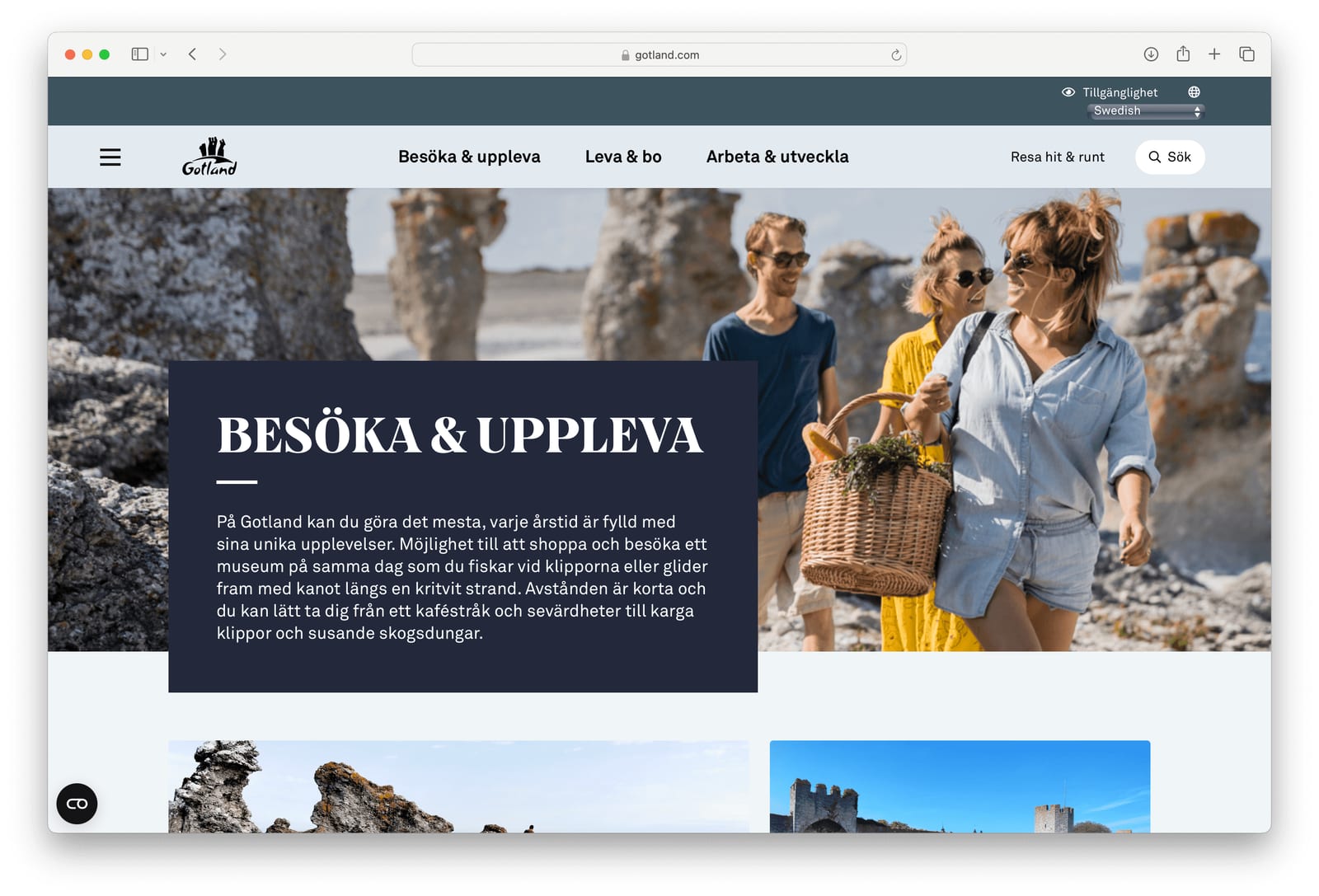
- Diversify distribution through local tourism boards and niche platforms
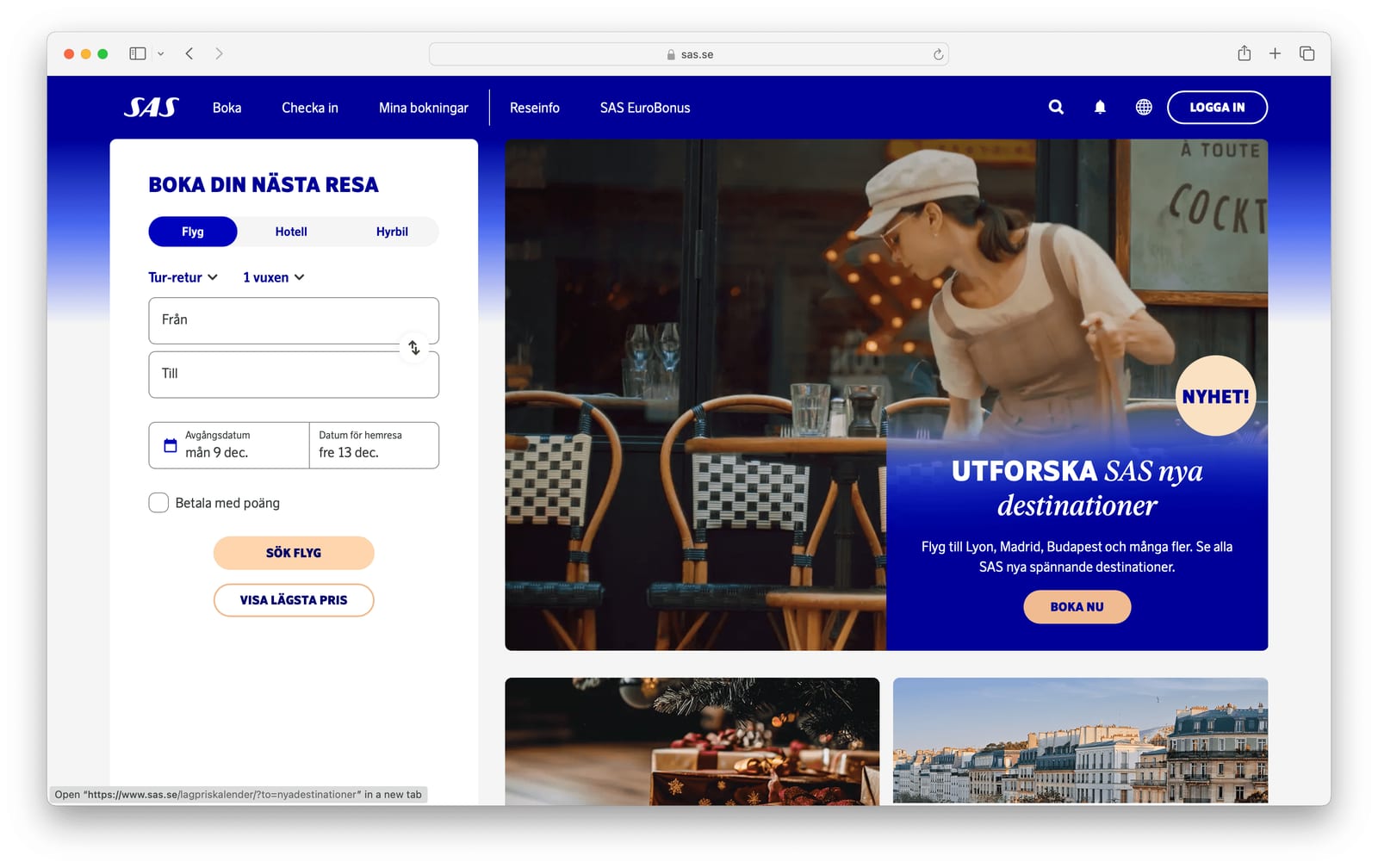
By implementing these strategies, hotels can leverage OTAs’ reach while building their brand identity and direct customer relationships, ensuring sustainable growth in an increasingly digital marketplace.
Guest experience during and after the stay
While hotels have heavily invested in optimising the pre-stay booking experience, many overlook the potential in enhancing the during-stay and post-stay phases of the guest journey. This oversight represents a significant missed opportunity for increased revenue, improved ratings, and sustained customer relationships.
Here are some of the ideas we discussed during the course:
- Digital concierge services providing personalised recommendations
- Mobile-first guest communications for seamless service requests
- Curated local experiences matching guest preferences
- Real-time facility booking and availability information
- Interactive digital guides for hotel amenities and local attractions
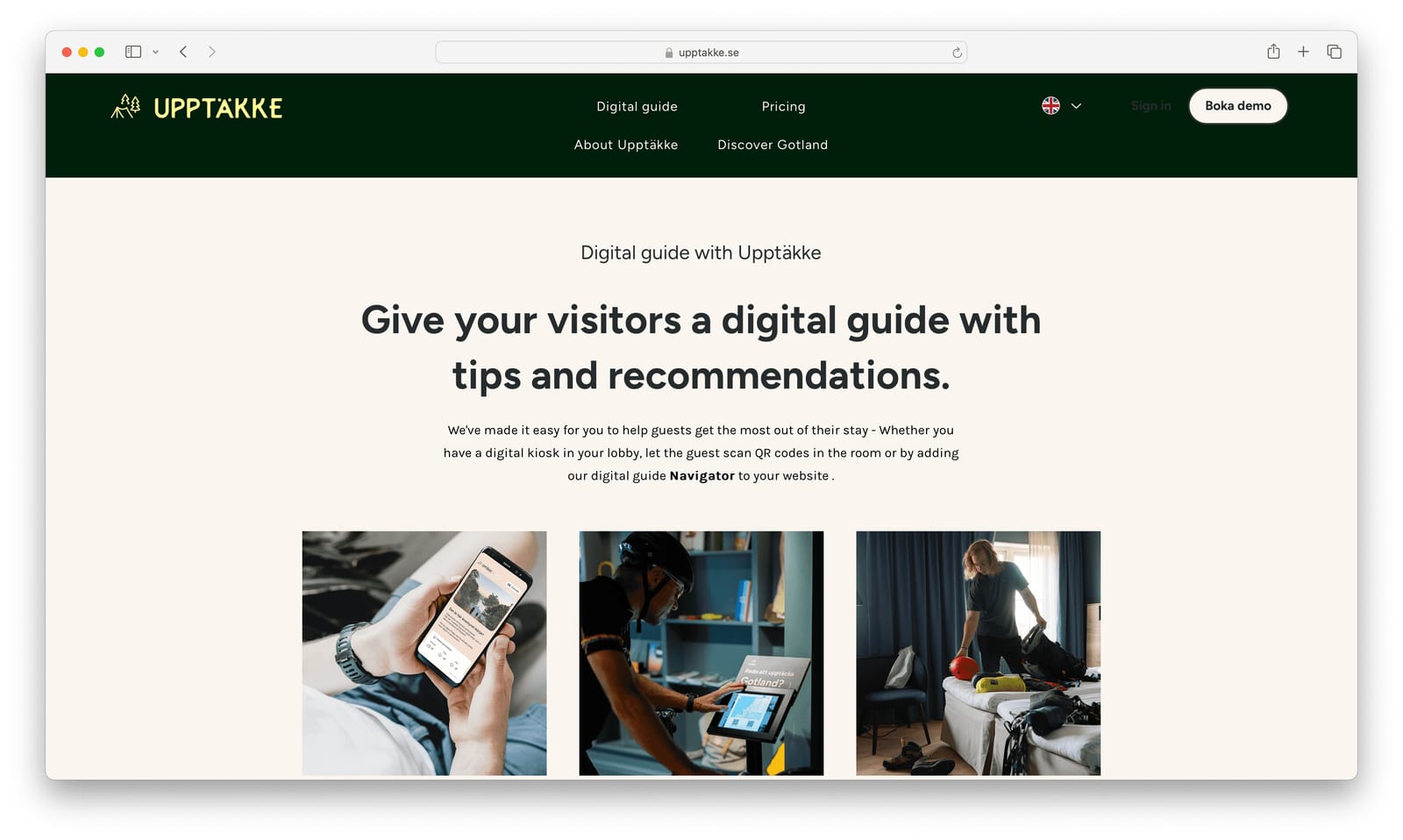
Upptäkke is a great platform that offers many of these features.
Post-stay engagement strategies
- Automated but personalised follow-up communications
- Loyalty programme enrolment with meaningful benefits
- Direct booking incentives for return visits
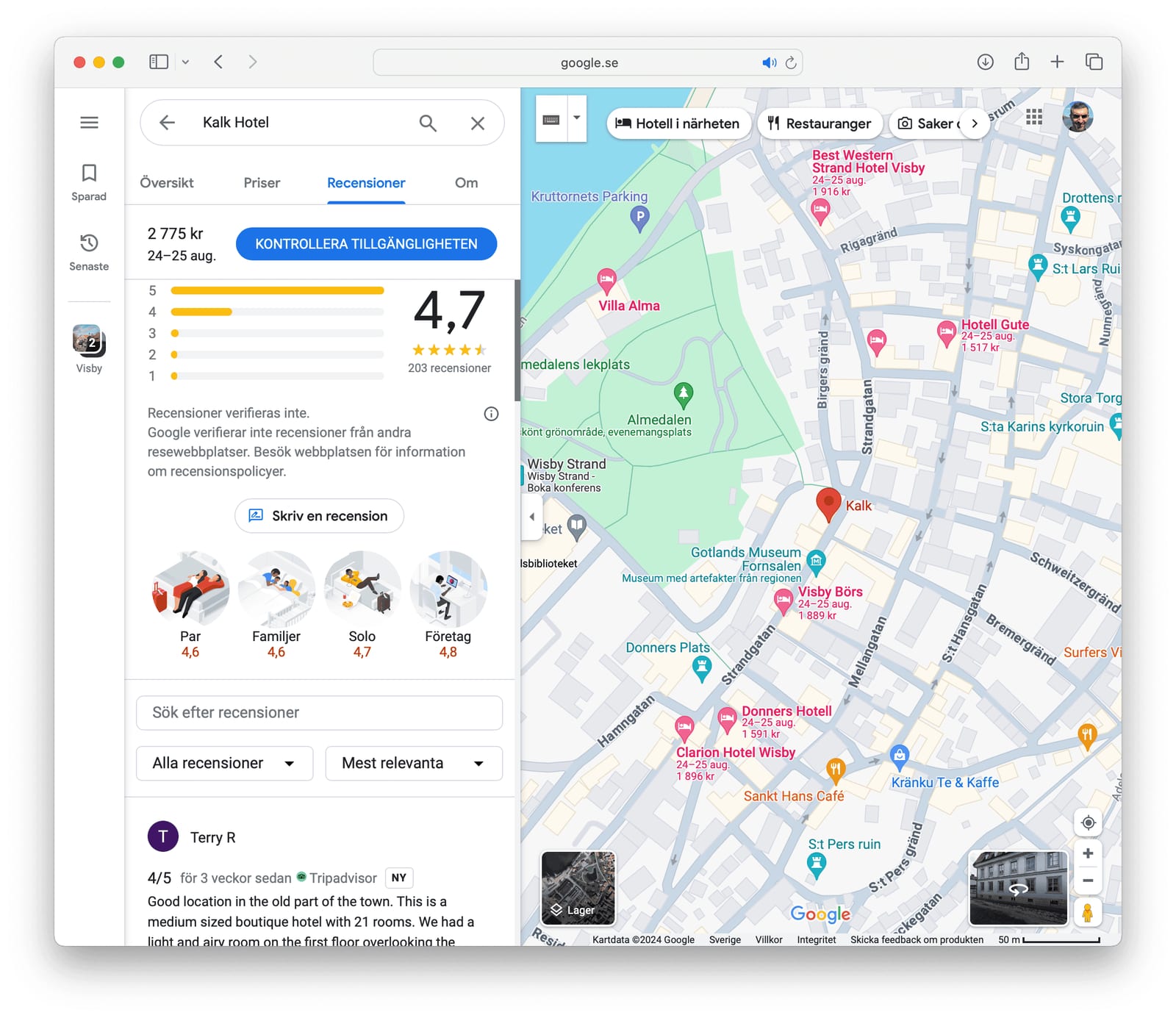
- Strategic review management across platforms
- Ongoing engagement through targeted content and offers
By implementing these tools and strategies, hotels can transform one-time OTA bookings into direct, long-term customer relationships. The key is creating value throughout the entire guest journey, not just at the booking stage. This approach not only improves guest satisfaction and reviews but also reduces dependency on costly OTA commissions for repeat bookings. Success lies in viewing each stay as the beginning of a relationship, not just a transaction.